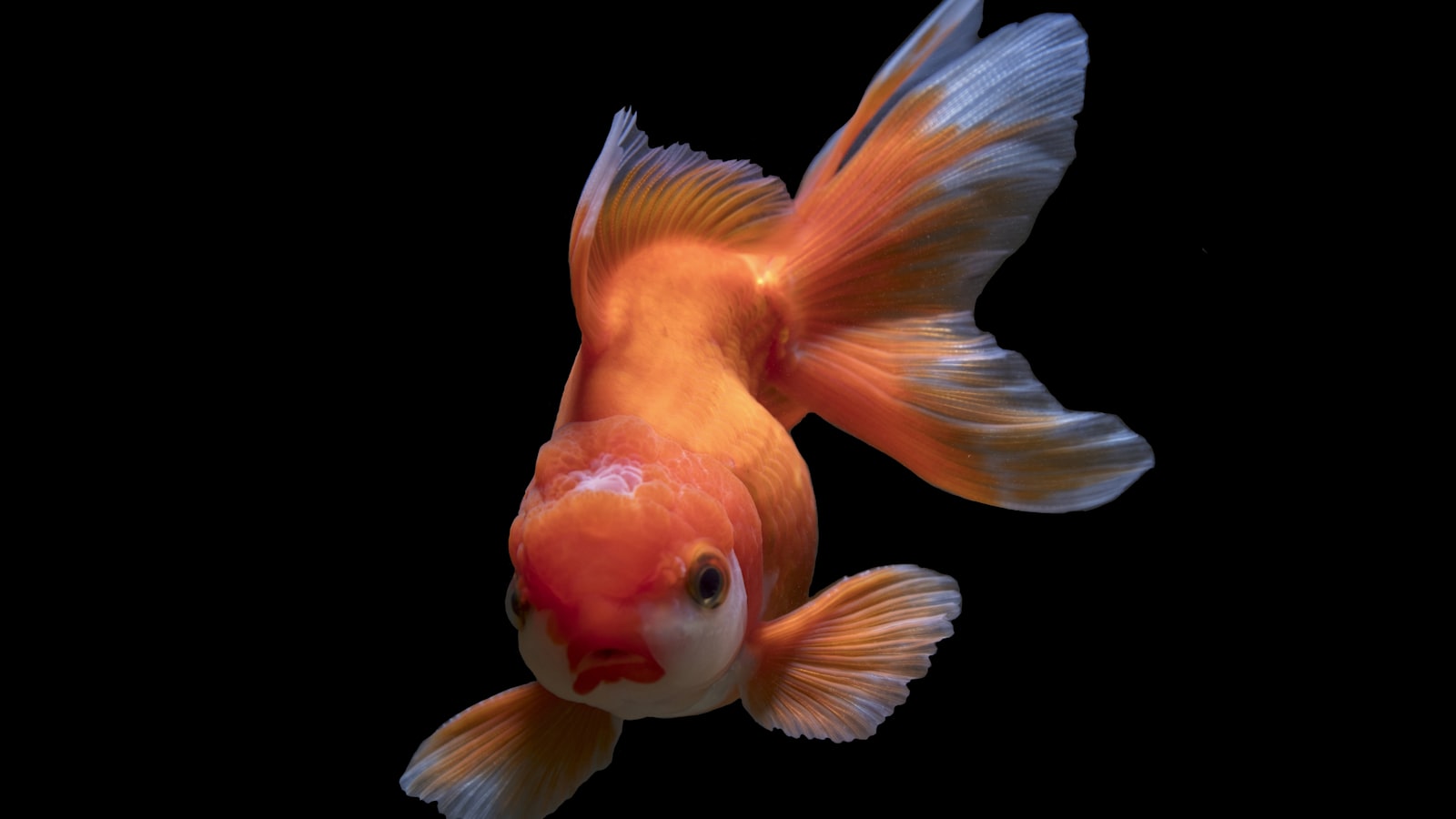
A community tank is one of the most rewarding setups in the hobby, but it is also where I see the most beginner heartbreak. Half the "aggressive fish" and "mystery deaths" people bring to me are really just stocking mistakes wearing a costume. If you plan the tank before you buy a single fish, you can build a peaceful, colorful community that more or less runs itself.
Start With the Water, Not the Fish#
Before you fall in love with a photo of a betta gliding past a school of neon tetras, test your tap water. Your local water chemistry decides which fish will actually thrive, and no amount of good intentions overrides it.
The three numbers I care about first:
- pH — the acidity or alkalinity of your water
- General hardness (GH) — the dissolved mineral content
- Temperature range your heater can comfortably hold
Soft, slightly acidic water suits South American species like tetras, corydoras, and many dwarf cichlids. Hard, alkaline water is a better home for livebearers such as guppies, mollies, and platies. You can fight your water with chemistry, but I steer newcomers away from that. Chasing pH with additives creates swings, and swings kill fish faster than a "wrong" but stable number ever will. Pick fish that match the water you already have. It is the single decision that saves the most grief later.
A quick note on the nitrogen cycle#
None of your stocking plans matter if the tank is not cycled. A community aquarium needs an established colony of beneficial bacteria to convert ammonia and nitrite into far less harmful nitrate. Cycle the tank fully before adding fish, then add livestock gradually so the bacteria can keep pace with the rising bioload. Dumping a full stock list into a fresh tank at once is the classic way to trigger a lethal ammonia spike.
Understand Bioload Before You Count Fish#
Bioload is simply the total waste your fish produce and the burden it places on your filtration and biological system. It is the real ceiling on stocking, and it is why the famous rules are only starting points.
The one-inch-per-gallon rule, honestly#
You have probably read that you can keep one inch of fish per gallon of water. It is a rough guideline, not a law, and it breaks down quickly:
- It ignores body mass. A slender 3-inch danio and a chunky 3-inch goldfish are nowhere near the same waste output. A goldfish produces vastly more.
- It ignores the surface area that governs oxygen exchange. A tall, narrow tank holds the same gallons as a long, shallow one but supports far fewer fish.
- It uses adult size, not the juvenile in the bag. That inch-long fish at the store may be a four-inch adult in a year.
I treat the rule as a sanity check, not a plan. When a stock list creeps toward the limit, I lean under it. An understocked tank is forgiving; an overstocked one punishes every missed water change with algae, disease, and stress-driven aggression.
Filtration and stability#
Aim for filtration rated comfortably above your tank volume, and value biological media over gimmicks. Good flow, real surface agitation, and steady weekly water changes let you stock a little more confidently. But filtration buys you margin, not permission to cram the tank. When in doubt, fewer fish and bigger schools always beats more species crowded together.
Match Temperament and Adult Size#
Most "aggression" problems trace back to mismatched personalities or fish that outgrew their tankmates. Sort every candidate into rough temperament buckets before mixing them.
- Peaceful: most tetras, rasboras, corydoras, otocinclus, harlequin rasboras
- Semi-aggressive or nippy: tiger barbs, serpae tetras, some gouramis
- Territorial: many cichlids, bettas (especially with the wrong tankmates)
Two hard-won cautions from my own tanks:
- Fin-nippers and long-finned fish do not mix. Tiger barbs will shred a betta or an angelfish's trailing fins, and a nipped fish stays stressed and prone to infection. If you want barbs, keep them in a big group of their own kind, which spreads out the nipping among themselves.
- Check the adult size, every time. A tiny "shark" or pleco in the store tank can become a foot-long fish that bullies or eats everything smaller. The bag fish is a baby. Buy for the adult.
Mind the vertical layout#
A well-stocked community uses the whole water column, which also reduces conflict. Put a school of tetras or rasboras in the mid-water, corydoras or kuhli loaches along the bottom, and a hatchetfish or a small gourami up top. When each species has its own zone, they simply cross paths less and squabble less.
Give Schooling Fish a Real School#
This is the correction I make most often, and it costs nothing but a slightly longer wait. Schooling species — tetras, rasboras, danios, corydoras — are hardwired to move in numbers. Kept in twos and threes, they turn skittish, hide constantly, and sometimes get aggressive with each other or with tankmates as their instincts misfire.
Keep schooling fish in groups of six as an absolute minimum, and eight to twelve if the tank allows. A proper school does three things at once:
- Calms the fish so they display natural, confident behavior
- Brings out brighter color, because stressed fish fade
- Actually looks better, since a tight shimmering shoal is the whole reason people want these fish
It feels counterintuitive to spend your stocking budget on more of the same fish instead of variety, but a tank with three well-sized schools reads as far more alive and peaceful than one with a lonely one-of-everything collection.
Plan the Whole Stock List on Paper First#
I never buy fish in the order I happen to see them. I write the full list down before the first trip, then add livestock over several weeks.
A reliable framework:
- Choose one centerpiece or focal species — a gourami, a pair of angelfish, a betta in a suitable community, or a small honey gourami for nano tanks.
- Build two or three schools around it that share the same water parameters and temperament.
- Add a cleanup and bottom crew — corydoras, otocinclus, or a few nerite snails — sized so their adult forms still fit.
- Leave headroom. Stop before the tank feels full. Fish grow, and you will inevitably want to add something later.
Sequencing matters#
Add the most peaceful, hardiest fish first and let them establish. Introduce anything territorial last, so it cannot claim the entire tank as its home turf before others arrive. When you add newcomers to an established community, rearranging the decor slightly disrupts existing territories and gives new arrivals a fairer start. And always quarantine new fish if you can — one overlooked disease can undo a beautifully planned tank in days.
Read the Tank and Adjust#
Even a careful plan needs observation. Watch your community for the quiet warning signs:
- Clamped fins, hiding, or gasping at the surface — often water quality or overstocking, not disease
- One fish being chased or cornered relentlessly — a compatibility or grouping problem
- Persistent algae and cloudy water — usually a bioload the filter cannot keep up with
If you see these, the honest fix is often to remove a species rather than add another gadget. Rehoming a fish that does not fit is not a failure; it is responsible fishkeeping. I have returned plenty of fish that looked perfect on paper and simply did not settle. The tank was calmer for it every time.
Conclusion#
A thriving community tank is not about how many fish you can fit — it is about choosing fish that suit your water, giving schooling species real numbers, and leaving room to breathe. Start with your water parameters, respect bioload over any tidy rule, match temperament and adult size, and add livestock slowly. Plan it on paper, stock it patiently, and watch closely. Do that, and the "aggression" and "mystery deaths" that plague crowded tanks mostly disappear on their own, leaving you with the calm, colorful aquarium you pictured in the first place.